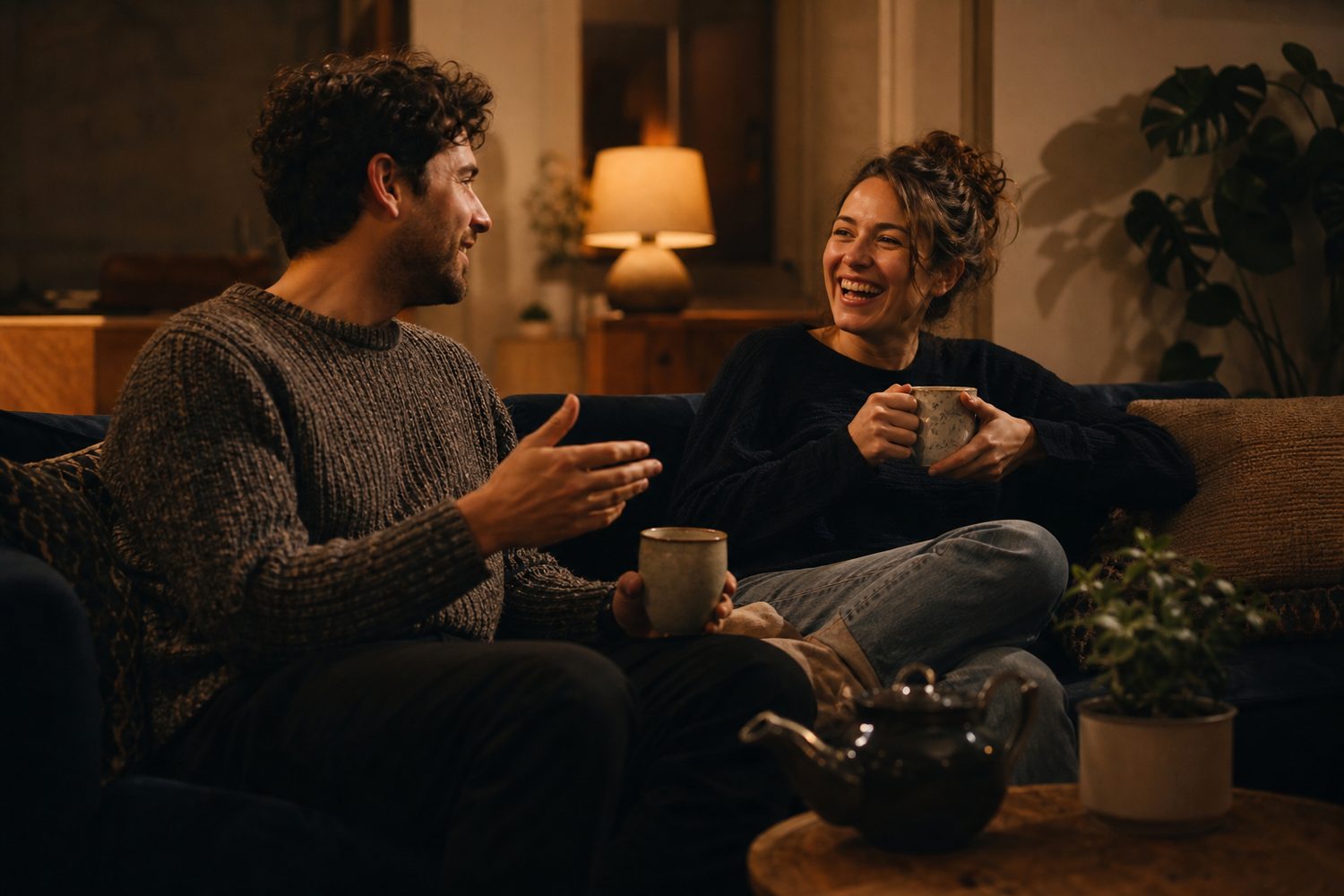
It usually happens when I am relaxed. I am with friends, my guard slips, and something real comes out. A blunt opinion, an odd bit of enthusiasm, a way of moving that I normally keep tucked away. And then I catch it: the small puzzled look on their faces, the flicker of “oh, that was unexpected.” And just like that, the mask snaps back on. A protective layer, fast and automatic, as if I had shown too much of myself and needed to cover it before they decided I was weird.
If you know that exact reflex, this one is for you. Because learning how to stop masking autism is not really about technique. It is about safety, slowness, and finding the people you never needed the mask around in the first place.
What masking actually is
Masking, sometimes called camouflaging, is the constant effort of appearing more neurotypical than you are. Forcing eye contact. Rehearsing conversations. Copying other people’s expressions and tone. Swallowing your stims. Performing a version of yourself that you have learned feels acceptable, while the real one waits quietly underneath.
Most of us did not choose it on purpose. We learned it, often young, because being visibly different got punished and blending in got rewarded. The National Autistic Society explains masking as exactly this kind of survival strategy, and that framing matters. The mask is not vanity. It is armour you built because you needed it.
How to tell if you are masking
Masking hides well, precisely because it feels like just being normal. See if any of this is familiar:
- You script and rehearse conversations before they happen.
- You mirror other people’s body language and facial expressions without meaning to.
- You force eye contact that feels deeply uncomfortable.
- You hold in stims like fidgeting, rocking or hand movements until you are alone.
- You are completely wiped out after socialising, more than seems reasonable.
The clearest tell is the crash. If you hold it together flawlessly in public and then collapse the second the door closes, that gap is the cost of the performance.
Why the mask is so expensive
Here is the part that does not show. Masking is exhausting, even when it looks effortless from the outside. Running a live performance of yourself, all day, monitoring every expression and word, burns through energy constantly. It is one of the biggest hidden drivers of autistic burnout recovery being necessary in the first place.
There is a quieter cost too. Mask for long enough and you can lose track of who you actually are underneath. What you like, how you naturally move, what you would say if you were not editing it in real time. That slow disconnection from yourself is its own kind of tired.
Why “just stop masking” is not that simple
Well meaning advice says be yourself, take the mask off, let it all hang out. I wish it were that easy. The truth is you cannot safely unmask everywhere. Some environments are genuinely not safe for it, whether that is a judgemental workplace, certain family settings, or anywhere the honest version of you would be treated badly.
So this is not a call to rip the mask off in every room tomorrow. Choosing to mask in a high stakes or unsafe situation is not a failure. It is you being sensible. The goal is not zero mask. The goal is to need it in fewer and fewer places.
How to stop masking, slowly and safely
Unmasking is less a single decision and more a gradual thawing. Here is what actually helps.
Start where you are accepted, not where you are judged
Pick your safest person or place to begin, the one where the stakes are lowest and the acceptance is highest. Unmasking in front of people likely to react badly just teaches your nervous system that the mask was right. Start where it is warm.
Notice the mask, then name it
You cannot lower something you cannot feel. Start simply catching it: the forced eye contact, the held in stim, the rehearsed line. You do not have to change anything yet. Awareness comes first, and it is more than half the work.
Drop one small thing at a time
Unmasking does not have to be dramatic. Let a stim happen instead of suppressing it. Skip a script and say the honest, slightly awkward thing. Let your face do what it wants for a moment. Small, low risk experiments teach your system, gently, that the sky does not fall when the real you shows up.
Find your people
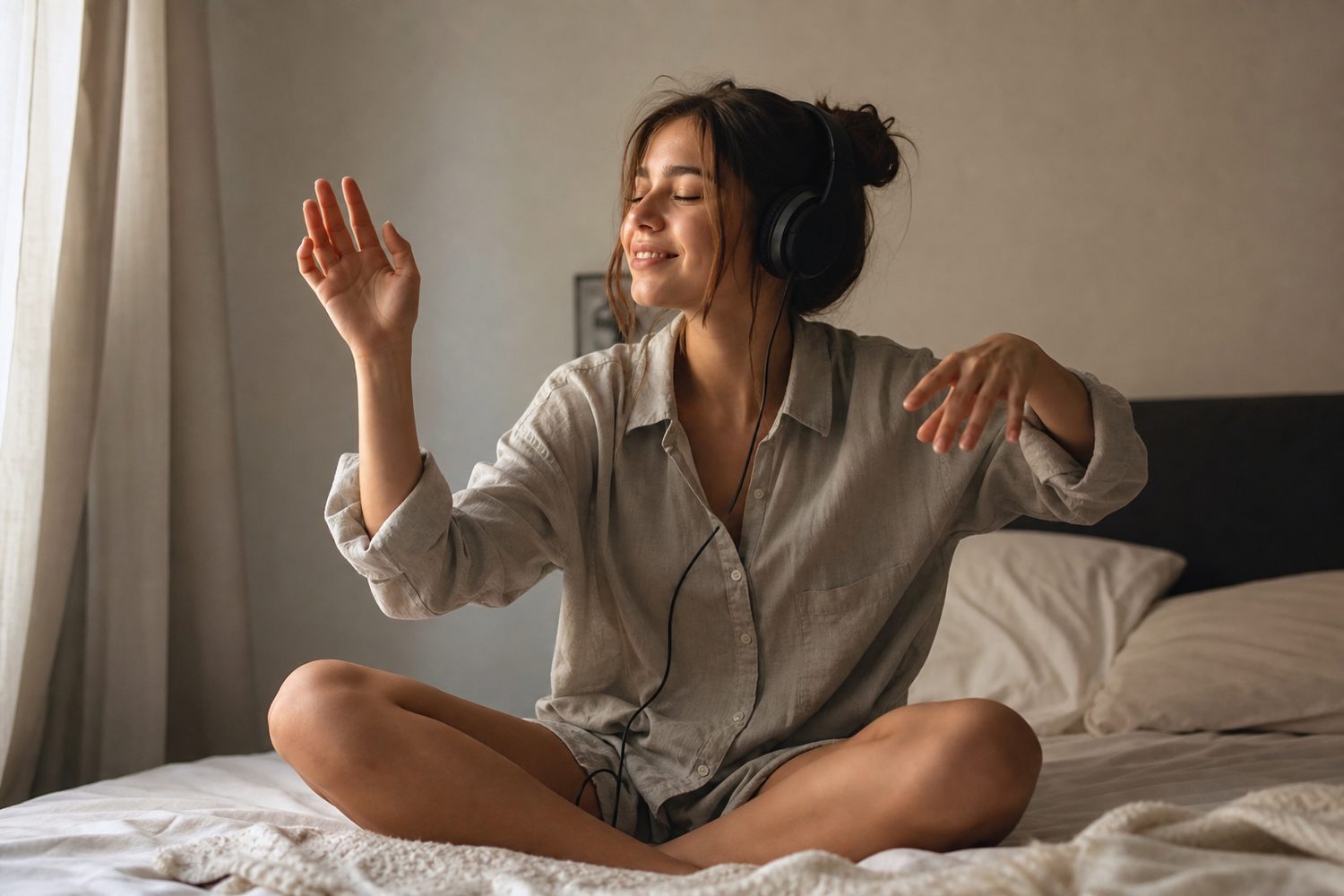
This is the one that changed everything for me. The single biggest thing is not a technique at all. It is being around people who fully accept you, where you can be authentic without the fear of being judged. With the right people, the mask does not need willpower to come off. It simply stops being necessary, because nothing about you needs covering.
That fear of a puzzled look, the one that snaps my mask back on, has a lot in common with rejection sensitivity. Working on that fear, and spending time with people who never trigger it, does more than any unmasking exercise on its own.
Rediscover who is under there
As the mask comes down, give yourself space to find out what you actually like and how you naturally are, without editing. It can feel strange, even a bit like grief for the years spent performing. That is normal. Be patient with the version of you that is only now getting to take up space. If self kindness is hard, being less hard on yourself is worth practising alongside this.
A note on doing this safely
Unmasking can leave you feeling exposed, and it interacts with real world safety, so go at your own pace. If you are working through a bigger picture of identity, late discovery or mental health, a therapist who genuinely understands autism can be a good companion for it. This often sits within the wider experience of living as a neurodivergent adult, and it pairs closely with protecting your energy and understanding demand avoidance in adults, since all three are really about letting your real needs count.
You were never the problem
The mask was a solution to a world that did not make room for you. It kept you safe, and it is allowed to come down slowly, in the places and with the people where it is safe to do so.
I still catch mine snapping back on sometimes. But it happens less now, mostly because I have found people I never have to wear it around. That is the quiet goal underneath all of this. Not a heroic unmasking in front of everyone, just more and more moments where the real you gets to be there, unperformed, and is met with a simple, easy “yeah, that is just you,” and nothing bad happens at all.